
How to Spot Fake THC Carts Fast

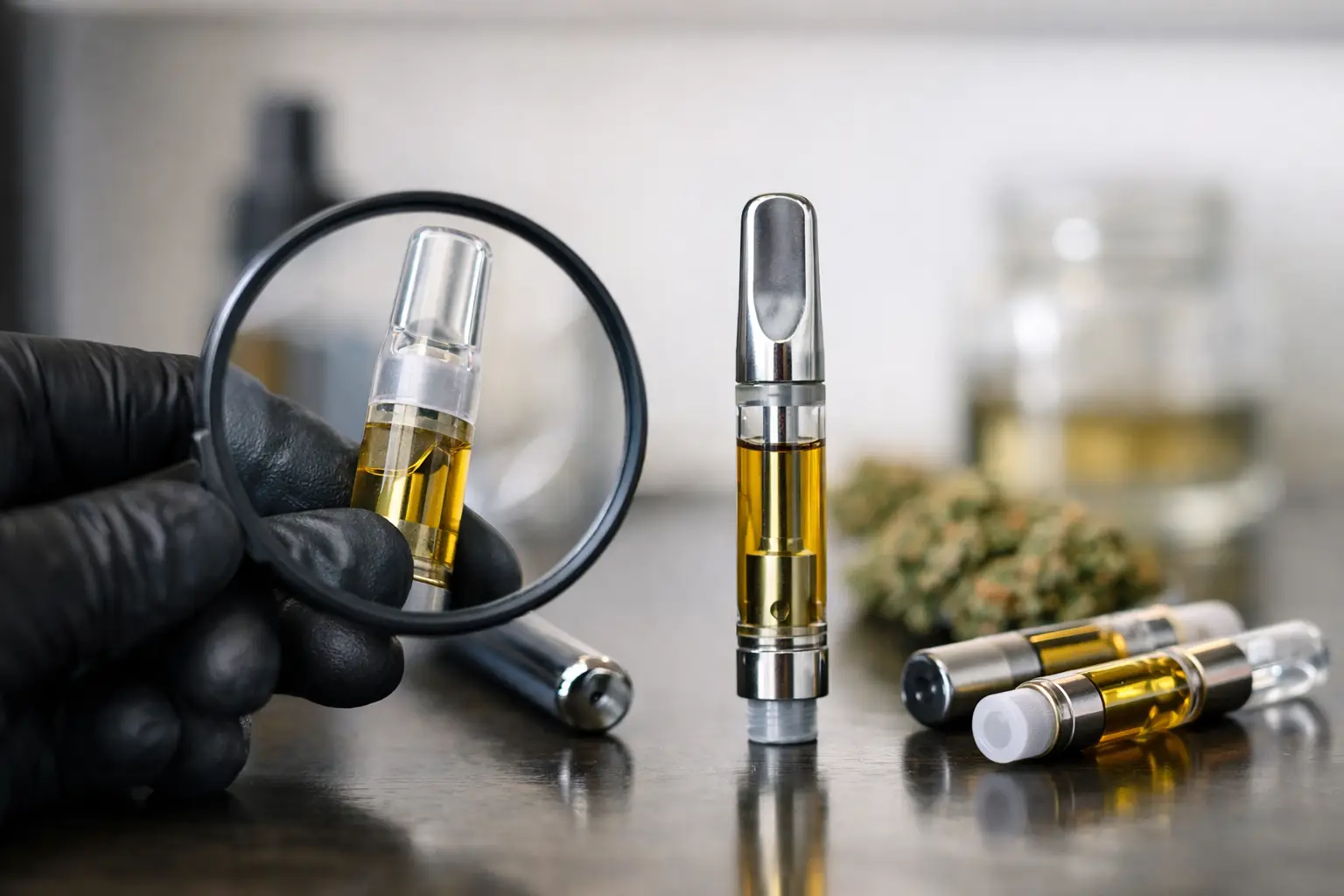
A cart that tastes burnt on the second hit, leaks in your pocket, or hits weak even though the label promises sky-high potency usually tells you the same thing – something is off. If you want to know how to spot fake THC carts, the goal is simple: cut out the guesswork before bad oil, cheap hardware, or fake packaging wastes your money and ruins the experience.
Counterfeits are everywhere because carts are easy to imitate on the outside and hard for most buyers to verify on the inside. A fake can copy strain names, flashy finishes, and potency claims, but it usually falls apart once you look closer at the oil, the build quality, and the seller behind it. Real products are built around clean extracts, reliable hardware, and traceable production. Fakes are built to look convincing for one sale.
How to Spot Fake THC Carts Before You Buy
The fastest way to protect yourself is to stop judging a cart by branding alone. Packaging matters, but it is only one piece of the puzzle. A counterfeit can look polished and still be low-grade inside.
Start with the basics. If the price looks way below the market, that is a red flag. Premium oil, quality hardware, and proper testing are not cheap. Deep discounts can happen, but a deal that looks unreal usually is. Fake sellers use price to short-circuit your judgment.
Then look at where the product is coming from. Trusted retail channels, established brand storefronts, and verified sellers reduce risk. Random marketplace accounts, social sellers with no real business footprint, and hand-to-hand deals raise it fast. When the source is shaky, every claim on the box means less.
You should also pay attention to how the product is presented. Real brands tend to be consistent across packaging, strain naming, hardware style, and product descriptions. Counterfeits often feel slightly off – odd fonts, blurry printing, cheap inserts, missing batch details, or labeling that looks copied without much care.
Packaging Can Look Real and Still Be Fake
A lot of buyers focus only on whether the box looks official. That is not enough. Fake packaging has gotten better, and some counterfeiters are very good at reproducing surface details.
What usually gives them away is inconsistency. Colors may be slightly wrong. Print quality may look soft instead of sharp. Warning labels might be generic, misplaced, or written in awkward English. If the brand normally uses anti-counterfeit features like scratch verification, QR systems, batch numbers, or tamper-evident seals, those should feel intentional and not slapped on as an afterthought.
The details on the box should also make sense together. If a cart says live resin, liquid diamonds, and distillate all at once without clarity, that is a warning sign. Premium extract categories have specific meanings. Fake products often stack buzzwords because they know buyers respond to potency language and hype terms.
Even the physical feel matters. A premium cart should not arrive in flimsy packaging that looks rushed, dented, or poorly assembled. Brands that care about authenticity usually care about presentation too.
Check the Oil, Not Just the Label
The oil inside the cart tells a bigger story than the strain sticker. Fake oil often looks wrong before you even take a hit.
A good THC cart oil is usually thick and moves slowly when the cartridge is tilted. If the oil is extremely runny at room temperature, be cautious. Thin oil can point to dilution or poor formulation. That said, extract type matters. Some live resin or terpene-rich formulas can move a little differently than heavy distillate, so this is not a one-sign verdict by itself.
Clarity matters too. You want oil that looks clean and uniform. Watch for strange cloudiness, unusual separation, dark spots, floating particles, or air bubbles that behave oddly. One small bubble is normal. A cart filled with inconsistent texture or debris is not.
Color can vary, so do not overreact to every shade difference. Some oils are light gold, others deeper amber depending on extraction and terpene content. What matters more is whether the color looks natural and even. If it is unusually dark, muddy, or inconsistent from top to bottom, that is worth questioning.
Hardware Quality Gives Fakes Away
Cheap hardware ruins premium oil, and fake carts usually cut corners here first. The mouthpiece may feel loose. The tank may sit crooked. Threads may look rough or fit badly on a 510 battery. The base might wobble. Any of those are signs the product was not made with much quality control.
Look at the cartridge construction closely. A real cart should feel solid in the hand, not feather-light and disposable in the worst way. The seals should look clean. The atomizer should not appear flooded. The glass or chamber should be aligned properly. If oil is leaking around the mouthpiece or pooling near the base before use, that is a serious red flag.
Performance also tells the truth fast. Fake carts often clog early, hit harsh, or produce weak vapor despite claiming extreme potency. A premium formula paired with good hardware should deliver smooth draws, consistent airflow, and stable flavor. No cart is perfect every time, but repeated issues right out of the package are not normal.
Lab Claims and Potency Numbers Need to Make Sense
A lot of fake carts hide behind huge THC percentages and vague testing language. If every product claims impossibly high potency with no real context, be skeptical.
Lab results should look specific, not generic. Batch numbers, product names, cannabinoid breakdowns, and testing dates should line up with the product in front of you. If a box mentions testing but gives no traceable information, that claim is mostly decoration.
Be careful with numbers that feel designed to impress rather than inform. A premium cart can absolutely be strong, especially with quality extracts like liquid diamonds or high-grade live resin, but potency is not the whole story. Real products usually balance THC content, terpene profile, and hardware performance. Counterfeits tend to scream one number and hope you stop there.
Smell and Taste Are Immediate Reality Checks
If you already bought the cart and want to know whether it is legit, your senses can tell you a lot quickly.
A real strain-forward cart should smell and taste intentional. Even bold profiles should have a clean terpene character, not a random candy scent covering weak oil. If the aroma smells chemical, plasticky, or strangely perfumed, trust your instincts.
The first few pulls matter. Harsh throat burn, metallic taste, no real flavor definition, or effects that feel flat and short can all point to a fake or low-quality fill. Premium carts are built for clean flavor and reliable impact. They do not need to hide behind artificial intensity.
There is some nuance here. A cart can be authentic and still not match your taste preferences. Maybe the terpene profile is too loud for you, or the hardware runs hotter than you like. That is different from a product that feels outright suspect. The key is whether it performs like a properly built premium vape or like a shortcut.
Seller Behavior Matters More Than Most People Think
If a seller cannot answer basic product questions, that tells you plenty. Legitimate retailers usually know what extract type they carry, what hardware format it uses, and how the product is positioned. Fake sellers rely on buzzwords, pressure, and vague answers.
Watch for sketchy behavior like no packaging photos, only stock images, no batch detail, no product consistency, or changing stories about where the item came from. Trust drops even faster when a seller has endless “rare” flavors, suspiciously low prices, and no clear reason for any of it.
For adult consumers who care about potency and flavor, buying from a source that prioritizes authenticity is not just safer – it is smarter. No compromise products come from retailers that care about clean extracts, dependable devices, and real product accountability. That is the difference between getting exactly what you paid for and getting fooled by branding.
A Quick Gut Check That Usually Works
When something feels too hyped, too cheap, too vague, or too inconsistent, step back. The best way to spot fake THC carts is to judge the full picture: source, packaging, oil, hardware, and actual performance. One small issue may not prove a fake, but several red flags together usually do.
Premium carts should be easy to trust because the quality shows up everywhere – in the oil, the device, the flavor, and the consistency. That is the standard. Anything less deserves a hard second look.
If you want fewer bad surprises, buy like someone who expects real potency every single time. That mindset saves money, saves frustration, and usually leads to a much better hit.